Cellar Waterproofing Misconceptions Dispelled: What Truly Works?
Cellar sealing is a vital aspect of home maintenance that often gets surrounded by a cloud of misconceptions and misunderstandings. Regardless of whether you are a new homeowner or someone looking to refresh your understanding, knowing the truths about basement waterproofing can safeguard your property and improve your living environment. Many homeowners may fear the expenses, the complication, or the need for expert help, but it's essential to distinguish between truth and fiction to make informed decisions.
In this article, we will debunk common myths surrounding basement waterproofing and investigate what truly works in safeguarding your home against water damage. From understanding the different methods that exist to identifying the signs that your basement needs urgent attention, we will offer you with a comprehensive guide to ensure your space remains dry and protected. Join us as we unravel the truths of basement sealing and discover why it is a crucial investment for every homeowner. ##
Protecting your basement from water is a vital aspect of home maintenance that shields your property from water leakage and structural harm. It consists of a variety of strategies used to prevent water from infiltrating the basement and damaging the structure of the home. Often , homeowners underestimate this vital task until they encounter major water-related problems . By being aware of the methods and necessity of waterproofing, you can take knowledgeable actions that preserve your investment .
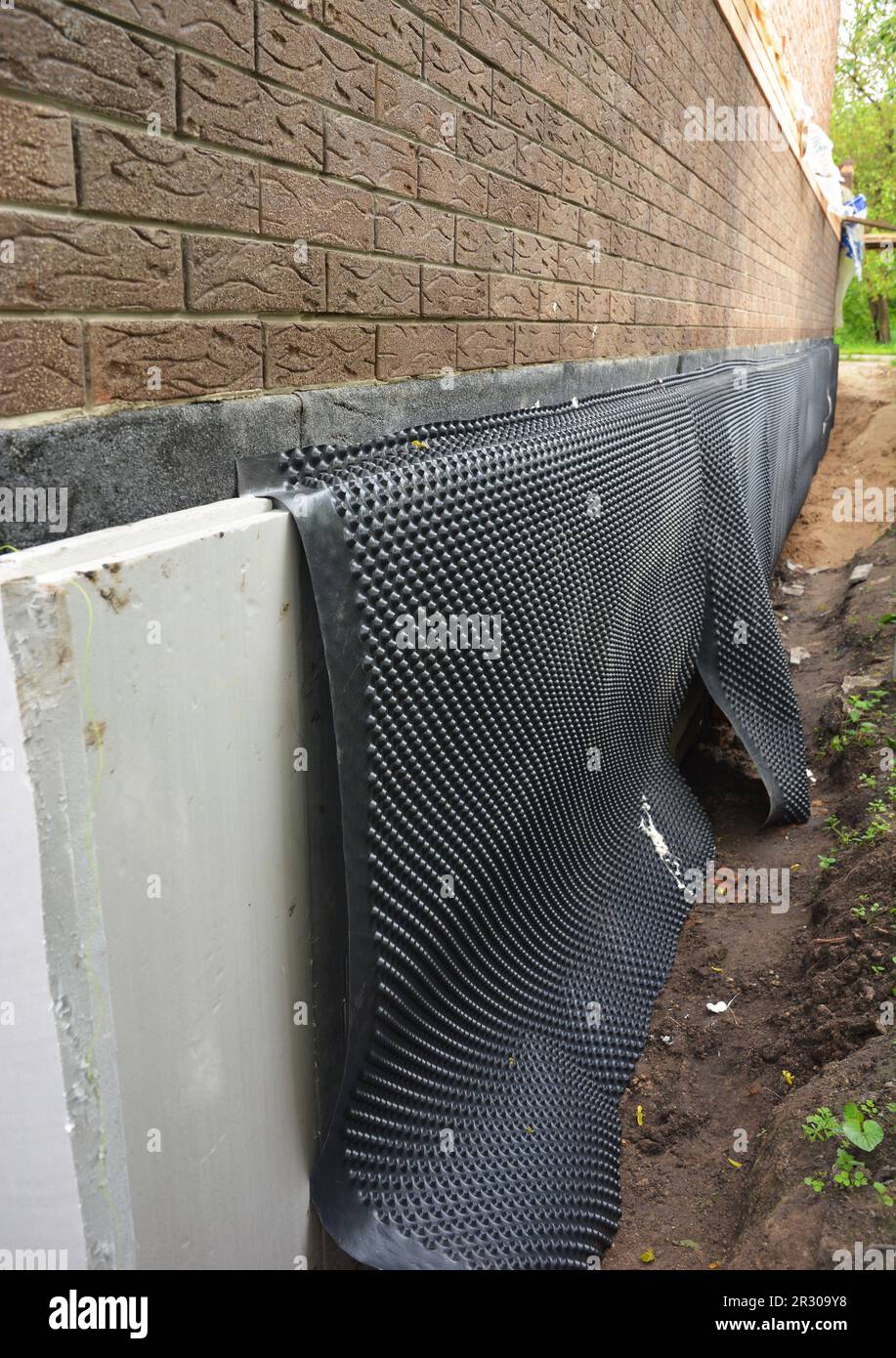
There are two primary types of basement waterproofing: interior and exterior . Interior methods concentrates on managing moisture once it has arrived in the space, often involving sealants , drainage solutions, and sump systems. On the other hand , exterior waterproofing aims to block water from reaching the basement in the first place , utilizing approaches such as earth removal and the installation of drainage solutions around the foundation . Analyzing your specific situation will help you determine which method is most effective for your home .
Adequate basement waterproofing not only prevents water damage but also boosts the overall value of your property. A effectively managed basement can be an attractive selling point for home seekers, while a damp or mildew-laden space can repel prospective buyers and reduce worth. Investing in effective waterproofing solutions is not just about sidestepping maintenance; it’s a calculated move to enhance the longevity and quality of your dwelling .
Choosing the Best Waterproofing Method
Determining the appropriate waterproofing method is crucial for efficiently tackling moisture issues in your basement. Diverse methods cater to multiple problems and types of homes, so it is crucial to assess your specific situation before making a decision. Typical approaches include internal sealants, outer waterproofing membranes, and drainage systems. Every method has its advantages, and understanding these can help you make an wise choice.
For homeowners looking to address existing water issues, interior waterproofing methods may look attractive due to their reduced upfront costs. Nonetheless, leaky basement manage symptoms rather than eliminate the root cause of water intrusion. On the flip hand, outer waterproofing provides a long-term solution by preventing water from reaching your basement in the first place. For homes with significant groundwater problems, incorporating a drainage system alongside waterproofing barriers can additionally enhance effectiveness.
In further to evaluating the type of waterproofing method, consider factors such as the severity of water intrusion, the age of your home, and your budget. Consulting with a licensed waterproofing contractor can provide insights tailored to your specific needs. They can help you evaluate the benefits and potential drawbacks of each method, ensuring you pick an efficient solution that will protect your home for years to come. spintax
Maintaining a Dry Basement
To ensure your basement dry, routine inspections and maintenance are essential. Start by inspecting for any cracks in the walls or floor. Small cracks can result in significant water infiltration eventually. Close these cracks with proper waterproofing products to avoid moisture from getting in. It's also crucial to check for any indications of water damage, such as mold or peeling paint, which can indicate underlying concerns that need to be resolved quickly.
Additionally, maintaining adequate drainage around your home is critical for maintaining a dry basement. This consists of clearing gutters and downspouts to ensure they are not clogged and channeling water away from the foundation. Consider establishing or maintaining a drainage system, such as a French drain, to efficiently redirect water away from your basement. Having a water pump in place is also an effective way to handle any possible risk of water accumulation during heavy rains.
In conclusion, monitor the humidity levels in your basement. Using a dehumidifier can help control moisture levels in check, preventing mold growth and boosting indoor air quality. Ensuring ventilation in your basement is important too; consider adding vents or windows to encourage air circulation. Routine maintenance and vigilance can help you guarantee a dry and healthy basement environment, protecting both your home and your investment.