Cold Champions: The Way Professional Road Services Keep Your Safety Secure
As the winter approaches, the importance of professional road services grows more and more clear. Snow and ice can change well-known roads into dangerous routes, creating serious risks for motorists, pedestrians, and companies alike. Making sure that our roads stay safe and navigable is not just a matter of comfort; it is a vital aspect of public safety. Expert winter road services provide the knowledge and resources necessary to handle the challenges of winter weather, making them crucial for neighborhoods and local authorities.
These dedicated teams play a vital role in lowering accidents during winter storm and ice events. Through effective winter road maintenance strategies, including proactive gritting and timely snow removal, they create better driving conditions and pave the way for emergency vehicles to access those in need. In this write-up, we will explore the different aspects of expert winter road assistance, from the science of road treatment methods to the best practices that ensure our roads safe and operational during the harshest challenging weather conditions.
The Importance of Professional Winter Road Services
Professional winter road services play a essential role in ensuring public safety during severe winter weather conditions. As snow and ice gather on roads, the likelihood of accidents significantly grows, leading to dangerous driving conditions. These services are equipped with the expertise and resources to effectively manage and mitigate these hazards. By employing organized winter road maintenance strategies, they help to maintain roads safe for everyone using them, reducing the risk of collisions and injuries.
Furthermore, qualified winter road services are important for maintaining the functioning of businesses and essential services. When roads are blocked by snow or ice, the impact can influence the community, affecting logistics, emergency services, and daily commutes. By ensuring timely snow clearance and effective gritting, these services help businesses stay open, thereby supporting the local economy. https://sos-ni.com of this service extends to emergency vehicle access, ensuring that first responders can reach those in need without delay.
In furthermore, the productivity of winter road services is boosted through advanced technology and weather monitoring systems. These developments allow service providers to react quickly to changing weather conditions, determining ideal times for treatments such as de-icing or anti-icing. This proactive approach not only improves road safety but also lowers long-term costs associated with neglecting winter maintenance. As communities face more volatile weather patterns, the necessity of expert winter road services will only increase, making them an indispensable part of infrastructure management during winter months.
Practical Cold Season Service Strategies
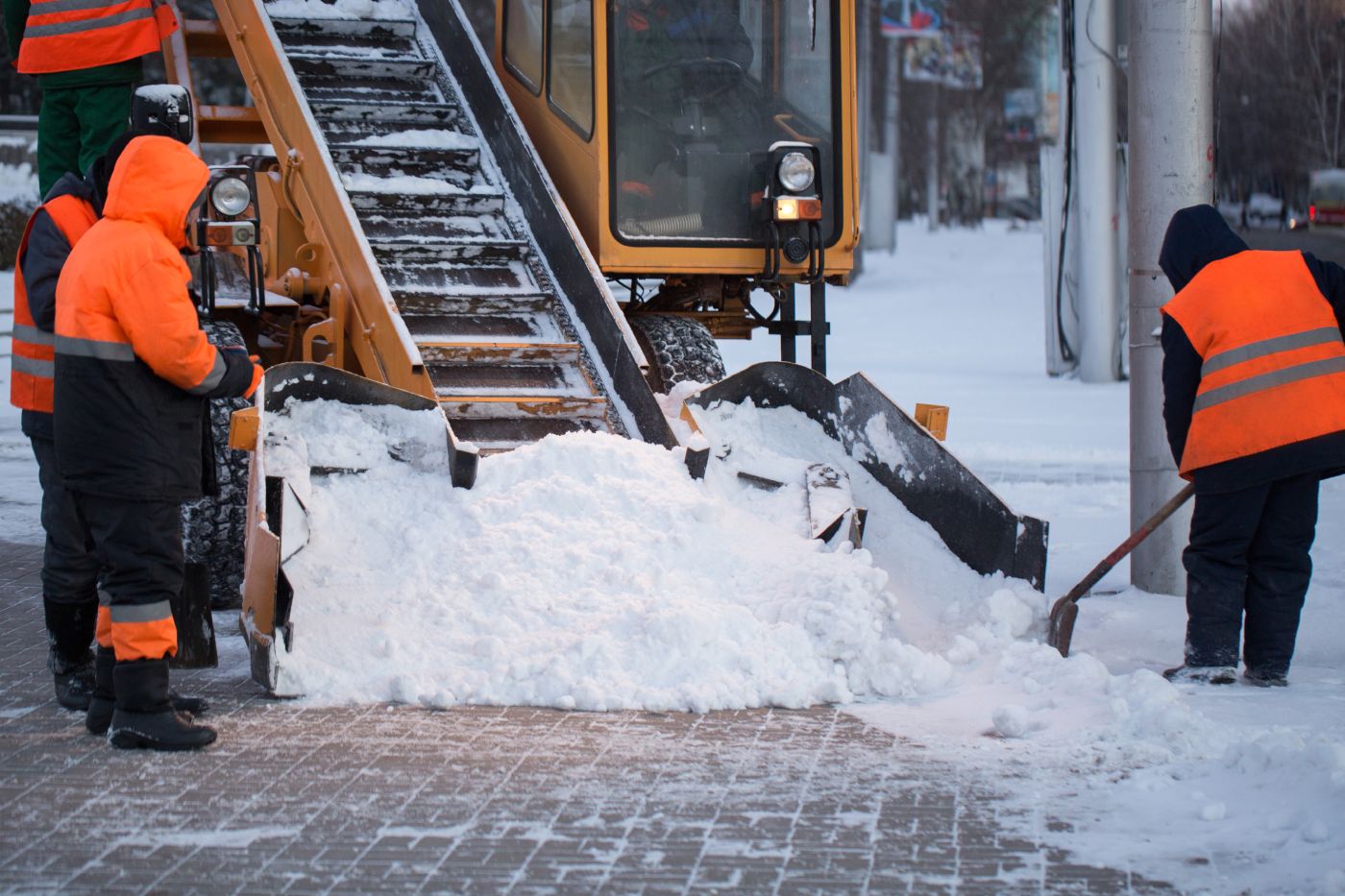
One of the most successful methods for winter road service includes preventive gritting and snow clearance. By spreading salt or other ice-melting agents ahead of a snow event, road services can stop ice from adhering to the road surface. This anti-icing technique reduces the need for extensive snow cleanup, making the roads safer for drivers and reducing accidents. Frequent assessments of weather conditions also allow teams to determine the best times for treating highways and byways, increasingly enhancing safety measures.
Another important strategy is the use of advanced technology to improve capabilities in winter maintenance operations. Weather monitoring systems provide real-time data on road conditions and upcoming weather events, enabling service providers to respond promptly. Using GPS tracking for plows and gritting vehicles not only simplifies operations but also ensures that routes are covered systematically. These developments allow teams to make the most of their resources and effectively focus on high-traffic areas that require immediate attention.
Collaboration between local authorities and professional winter road service providers is also necessary in developing successful maintenance strategies. Distributing information on traffic patterns and the unique needs of different roadways helps in creating customized maintenance plans. Furthermore, leveraging local expertise ensures that the strategies implemented are appropriate for the distinct challenges presented by varying climates and regional conditions. This collaborative approach ultimately leads to more efficient responses to winter weather events, maintaining roads safe for all users.
The Future of Winter Road Services
As continues to advance, the future of winter road services will be poised for major transformation. Innovations such as smart sensors, real-time weather data analytics, and automated road treatment systems have become essential tools for professionals in this field. These technologies allow road service providers to refine their operations, allowing for efficiently managed snow clearance and gritting strategies tailored to specific weather conditions. The use of data-driven decisions not only enhances safety and also maximizes cost-effectiveness.
Eco-friendliness is another driving force shaping the future of winter road services. Due to increasing awareness of environmental impact, many service providers are investigating eco-friendly alternatives for traditional de-icing materials. Studies into biodegradable de-icing agents and improved application techniques are gaining traction, promising to reduce the ecological footprint of winter maintenance operations. This shift not only addresses environmental concerns and also aligns with the growing demand for sustainable practices from the public and local authorities.
Cooperation among stakeholders will become increasingly essential in enhancing the effectiveness of winter road services. Local governments, businesses, and service providers must unite to create comprehensive winter maintenance plans that prioritize safety and efficiency. By sharing resources, engaging in community education, and investing in advanced technologies, these partnerships can ensure that roads stay well-prepared for harsh winter conditions. As public safety continues to be the foremost priority, a collective approach will be instrumental in tackling the challenges posed by winter weather.