Color The World: Discovering the Hues of Wood Surfaces
Timber flooring has long captivated designers and architects alike with its classic appeal and authentic aesthetic. As we step into the new year, the variety of shades, finishes, and styles available can change any space, making it feel warm and welcoming. Whether you are attracted to the natural charm of reclaimed wood or the modern sophistication of contemporary finishes, there is a timber flooring option out there that just suits your aesthetic. In this journey of timber flooring, we will delve into the broad range of colors that can beautify your environment, while also uncovering the myriad benefits that come with opting for wood as your floor material.
Deciding on the best type of timber flooring for your home can be a fulfilling yet complex process. With multiple options like hardwood, composite wood, and an growing emphasis on sustainability, understanding the characteristics of each type is crucial. From the setup process to continuous maintenance, our guide will provide you with information into how to care for your timber floors, steer clear of common mistakes, and ensure that your purchase not only enhances your home’s look but also its value. Come us on this path as we paint your world with the rich potential of timber floors.
Deciding on the Ideal Wooden Flooring
Determining the perfect timber flooring option for your house involves considering several critical elements, including your way of living, design preferences, and financial plan. Initially, think about the traffic in your house. For busy-traffic areas like entrances and recreation rooms, you may want to choose a more durable wood species type, such as oak, known for their durability. These selections can withstand damage while keeping their aesthetic appeal over time.
Subsequently, think about the appearance and aesthetic you wish to achieve. Wooden flooring is provided in various finishes, colors, and pattern patterns, ranging from rustic to contemporary looks. If you have a modern interior, brighter wood species like white oak may suit your aesthetic. On the other hand, traditional spaces often enhance from darker, deeper woods like mahogany. Ensure the flooring fits with your overall decor to create a harmonious look throughout your living area.
In conclusion, do not overlook your sustainability goals and care expectations. If environmental responsibility is crucial to you, consider choosing flooring made from verified renewable sources. Manufactured wood options can also be a great choice, generally offering enhanced robustness and water resistance than solid wood, making them suitable for various weather conditions and conditions. Ultimately, weigh your visual goals with realistic considerations to select the best wooden flooring for your residential area.
Caring for Hardwood Floors
To keep wooden floors appearing pristine, routine maintenance is essential. Begin with routine cleaning to eliminate dust and dirt that can harm the surface. Use a soft broom or a vacuum designed for hardwood to lift debris while avoiding damaging the finish. For deeper cleaning, a slightly wet microfiber mop can be helpful. However, it's crucial to steer clear of excessive water, as moisture can seep into the wood and cause distortion or damage over time.
In supplementing to cleaning, applying the right finish is essential for protecting wooden floors. Maintenance of the finish should be considered based on the type of wood and its usage. For floors with a polyurethane finish, a straightforward reapplication every few years can ensure protection and look. If the finish turns dull or scratched, refinishing may be necessary to restore the natural luster and provide a fresh layer of protection.
Periodic maintenance also plays a critical role in preserving wooden floors. Humidity levels can impact wood, causing it to expand or contract. During Click here for info , using a humidifier can help maintain moisture levels, preventing cracks and gaps. In contrast, ensure that the floors are properly protected from excessive moisture during the summer months, especially in areas prone to humidity. Taking these steps will not only enhance the look of wooden flooring but also extend its lifespan.
Trendy Developments and Styles in Wooden Flooring
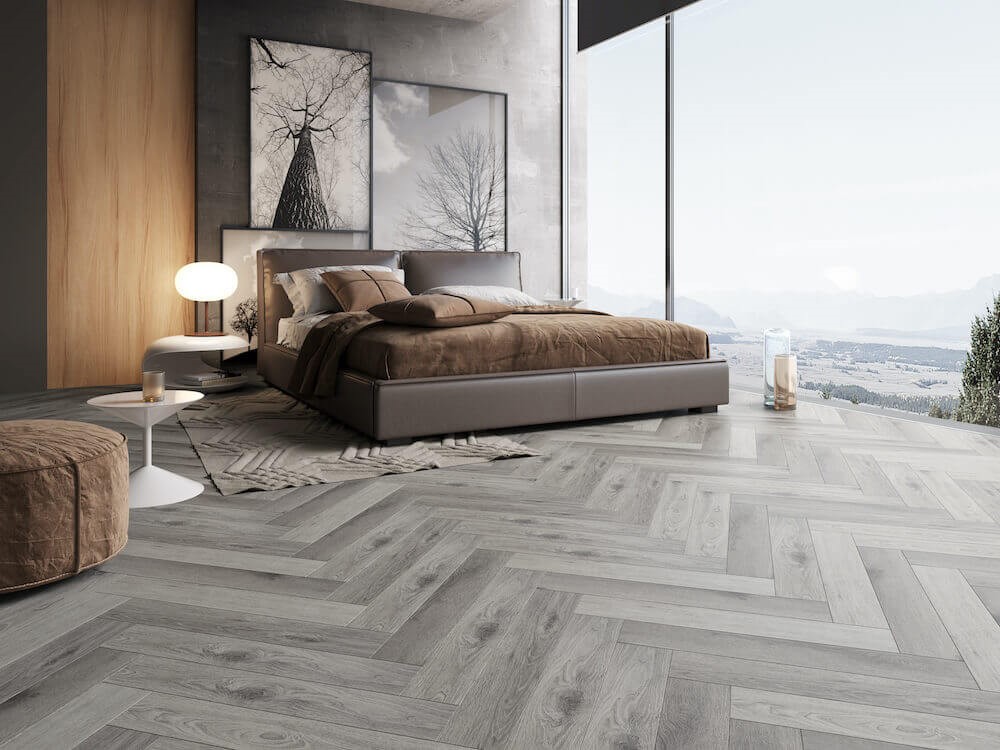
As we advance deeper into the year 2025, wooden flooring remains to evolve, embracing both timeless charm and modern designs. One of the key trends this year is the transition towards wider planks, which create a greater spacious feel and enhance the natural beauty of the wood grain. Coupled with a flat finish, these wide boards are preferred for their ability to blend harmoniously into various interior styles, from rustic to minimalist. Homeowners are increasingly drawn to finishes that showcase the distinct characteristics of the wood, allowing for a personalized touch in their living spaces.
Another popular style evolving is the revival of vintage and reclaimed wood. This trend appeals to environmentally-friendly consumers who appreciate the history and character that older wood can bring to modern homes. Vintage finishes often come in deep hues, offering a coziness that new materials can lack. Additionally, combining reclaimed wood with contemporary design elements creates a striking contrast, making it a versatile choice for anyone seeking to make a statement while prioritizing sustainability.
Lastly, designs are making a return in wooden flooring. Herringbone and chevron patterns are particularly fashionable, infusing spaces with visual interest and a touch of sophistication. These intricate layouts help define areas within open floor plans, ensuring that even larger spaces maintain a sense of intimacy. As designers experiment with color variations and mixed wood species in these designs, it creates unique opportunities for personalization that embody individual tastes and current trends.