Converting Trash to Treasure: Creative Garbage Disposal Solutions
In an age where eco-friendliness is more crucial than ever, effective waste management has become a central concern for individuals, businesses, and societies alike. The process of handling waste is not just about disposal; it embodies the conversion of discarded materials into valuable resources. By embracing creative waste management solutions, we can turn what is often considered waste into valuable goods, fostering a better planet and promoting financial efficiency.
This guide will explore the variety of modern waste management solutions available today, from basic practices suitable for beginners to more sophisticated techniques that can significantly elevate a business's sustainability efforts. Understanding why efficient waste management matters is crucial not only for businesses looking to enhance their operations but also for households aiming to reduce their environmental impact and save money. As we delve deeper, we will uncover 10 practical ways to improve waste management practices that anyone can implement, no matter their position in their journey towards sustainable living.
The Significance of Efficient Waste Management
Proper waste disposal is vital for maintaining a clean environment and ensuring public safety. Negligent waste disposal can lead to contamination, risks to health, and a decline in overall quality of life. Companies that overlook proper waste management may face legal repercussions and financial losses, impacting their image and bottom line. By recognizing the significance of waste disposal, companies can reduce risks and foster a safer community.
Implementing efficient waste management practices also plays a vital role in conserving resources. By diminishing, repurposing, and recovering waste materials, companies and individuals contribute to a more eco-friendly future. This not only helps mitigate the negative effects of waste management but also promotes a circular economy where materials are continuously recycled. As Wealth Management Porthleven Cornwall , each effort to improve waste disposal contributes to the fight against climate change and supports the planet's health.
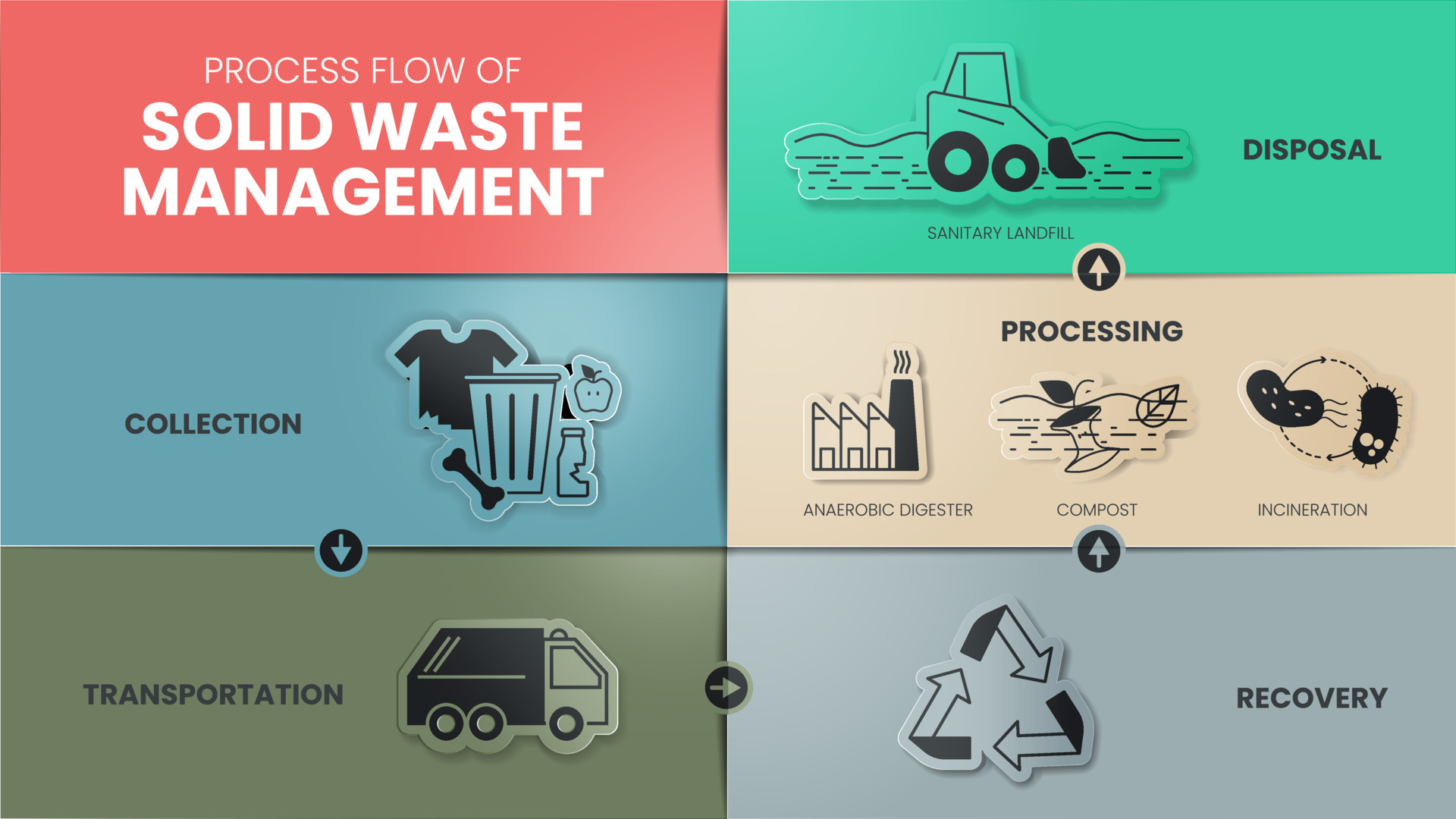
Additionally, efficient waste disposal can lead to cost savings for both businesses and households. By improving waste segregation and encouraging recycling programs, organizations can reduce disposal fees and increase their earnings. For individuals, practicing waste reduction at home can significantly decrease costs associated with purchasing new items. Overall, making a dedication to better waste management practices yields advantages that extend beyond immediate surroundings, fostering a more sustainable and economically viable future.
Innovative Strategies for Trash Reduction
Creative refuse minimization methods are crucial for both individuals and companies aiming to reduce their organic impact. One effective technique is embracing the concept of zero waste living, which promotes the restructuring of how resources are managed to reduce waste. This approach targets reducing usage, reusing items, and recycling materials to ensure sustainable living. By adopting zero waste living methods, families can greatly decrease the amount of refuse they produce, reducing expenses and contributing to a cleaner planet.
An additional strategy involves the integration of intelligent refuse handling strategies powered by tech. Sophisticated technologies enable towns and businesses to track trash generation patterns and optimize collection processes, which leads to increased productivity and reduced costs. High-tech receptacles equipped with sensors can inform refuse services when they are at capacity, cutting non-essential collections and energy consumption. This technological shift not only streamlines operations but also fosters better refuse sorting, eventually achieving increased upcycling rates and lower dump burden.
Engaging communities and groups through informative activities is also crucial in promoting efficient waste management. Workshops and programs that teach individuals about proper upcycling methods, waste segregation, and composting can explain the value of waste reduction. Local schools and local governments can play a key role in these initiatives, building a culture of environmental awareness and motivating citizens to embrace effective strategies. By increasing understanding and making available clear information, neighborhoods can collaborate to substantially minimize trash production and enhance their ecological responsibility.
The Future of Waste Management Solutions
The of waste disposal solutions is expected to be led through cutting-edge methods that improve effectiveness and efficiency. Developments like artificial intelligence and algorithmic solutions are set to have a key role in improving waste collection and sorting processes. Intelligent sensors along with smart devices are able to offer real-time information on waste amounts in bins, which enables dynamic routing of waste collection vehicles and diminishing superfluous routes. Such a performance not just saves money for waste handling services and minimizes the environmental effects associated with fuel consumption.
In addition to technology, the emergence of circular economic concepts are changing the way we think concerning waste. Organizations will increasingly embrace green practices which focus on cutting , utilizing again, as well as reprocessing materials instead just disposing of these. This change will result in organizations putting resources into sustainable packaging and developing renewable systems which maintain goods and materials functional for extended durations. As understanding grows concerning the significance of sustainable practices, consumers will demand more accountability from businesses, encouraging them to develop eco-friendly refuse handling approaches that are consistent with eco-conscious principles.
In addition, collaboration between local governments, industries, along with charities is becoming essential for developing holistic waste handling strategies. Local initiatives can drive regional recycling programs and awareness campaigns, fostering a culture of sustainability. Through joining forces, participants are able to exchange best practices and assets for improving waste sorting and reduce contamination rates. In our journey forward, the emphasis will be not merely on handling refuse but also on transforming it into a useful resource, paving the way for innovative strategies which foster simultaneously economic development as well as eco-friendly practices.