Outside the Fundamentals: Enhanced Strategies for Flood Damage Repair
Moisture damage can strike unexpectedly, leaving residents in turmoil and uncertain about the following actions. Whether from a burst pipe, a damaged roof, or natural disasters, tackling moisture issues effectively is essential not only for repairing your home but also for protecting its value. Numerous individuals know the essentials of addressing water damage, such as halting the leak and dehumidifying the space, but understanding advanced strategies can be a game changer in ensuring comprehensive recovery.
In this article, we will investigate a host of enhanced approaches for water damage restoration that go beyond the essentials. We will delve into immediate actions after water damage takes place, methods to find hidden risks, and the detailed steps involved in specialized repair services. By burst pipe water damage mesa az with these enhanced methods and preventive measures, residents can safeguard their houses and steer clear of the permanent effects of water damage, such as mold growth and damage to the structure.
Immediate Measures for Flood Damage
The moment you find flooding in your home, it is crucial to act promptly to lessen further complications. Begin by turning off the main power supply to avoid electrical hazards caused by water infiltration. If the water source is from a plumbing problem, turn off the water supply to prevent additional flooding. Protection is the main focus, so wear protective gear, such as gloves and water-resistant footwear, to guard yourself from potential contaminants present in the water.
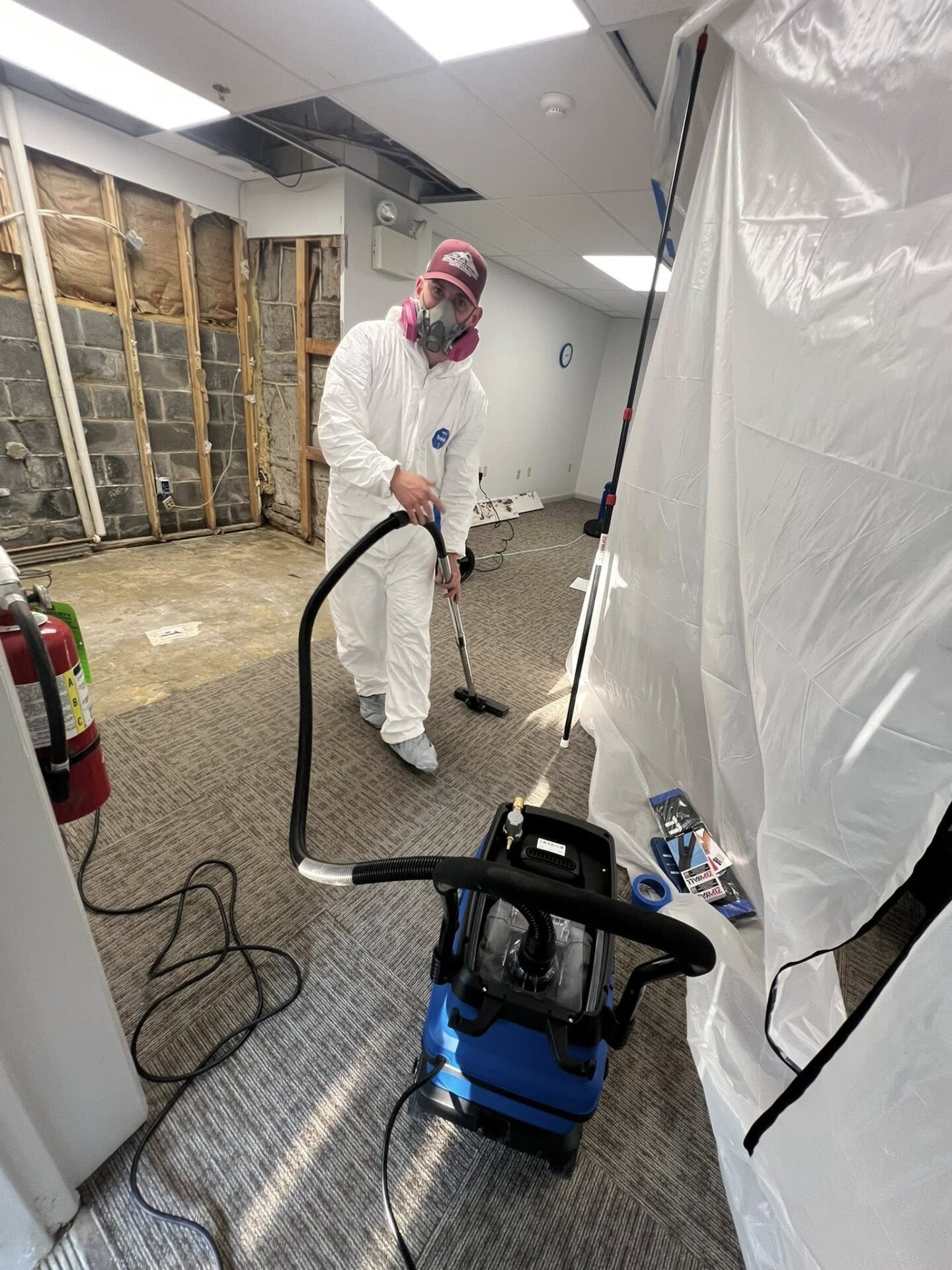
Next, examine the situation and determine the extent of the flood. Identify the areas and areas affected, noting any soaked carpets, furniture, or personal belongings. Remove as much pooling water as possible using a wet/dry vacuum if available. If the water is minimal, absorbent materials like rags can help capture the excess hydration. The faster you begin eliminating water, the lower the risk of secondary damage, including mildew development and compromised integrity.
Finally, begin the drying process as soon as possible. Open the windows to promote air circulation and use circulation fans to facilitate evaporation. Dryers can also be highly effective in controlling humidity levels in the affected areas. Time is of the essence; initiating these steps immediately can significantly lessen the long-term impact of water flooding and prepare your home for professional restoration services.
Grasping Water Damage Recovery
Water damage restoration is a vital method that helps residents recover from the adverse effects of water infiltration in their properties. Regardless of whether the damage is due to a broken pipe, leaking roof, or natural disaster, swift response is necessary to reduce further harm. This process generally involves several steps, such as assessing the degree of the damage, taking out excess water, dehydrating affected areas, and repairing materials and structures to their initial state. Having a comprehensive understanding of these steps is essential for anyone facing water damage issues.
The first stage in water damage restoration is assessment. Professionals use various tools to inspect and detect hidden water damage behind walls, under subfloors, and within thermal barrier. This thorough inspection allows for an accurate evaluation of the damage, guaranteeing that all affected areas are attended to. Once the assessment is complete, water is extracted using professional tools. Swift and proficient water removal is vital to stop further damage, as remaining humidity can lead to mildew development and other critical challenges.
After water extraction, the evaporation phase begins. This involves using commercial dehumidifiers and fans to thoroughly dry the structure and materials. The importance of proper drying cannot be emphasized enough, as any leftover wetness can weaken foundations and lead to mold issues. Following drying, restoration takes place, where damaged materials are fixed or substituted, ensuring the home is secure once again. Understanding these stages can substantially impact how successfully a restoration project is executed, ultimately protecting your property and well-being.
Preventing Future Water Damage
To effectively avoid potential water damage in your home, it is crucial to carry out regular maintenance checks. Inspect your roof for absent shingles and clear your gutters to ensure proper drainage. A well-kept roof and clear gutters can help avoid water from gathering and leaking into your home. Additionally, inspecting cracks in your foundation and confirming good sealing around glass panes and doors can significantly diminish the risk of water intrusion.
Another critical aspect of water damage prevention is upkeeping your plumbing system. Often inspect pipes for failures, especially in areas vulnerable to temperature changes, such as basements and attics. Think about upgrading to high-quality plumbing materials and installing water leak detection systems that provide warnings in the event of a leak. These proactive measures can save you from high repairs down the line and help maintain the integrity of your home's foundation.
Finally, maintaining your landscape can play a significant role in avoiding water damage. Ensure your yard is graded to direct away from your home to guide water away from the foundation. Instead of growing near your home that could lead to roots interfering with the foundation, opt for plants that flourish in well-drained areas. Using these landscaping strategies not only minimizes water damage risk but also improves the overall aesthetics of your property.