Ready for Winter: Essential Facilities for Reliable Journey
As the cold season draws near, the significance of ensuring secure road conditions cannot be emphasized enough. Expert winter road services play a essential role in upholding the safety of our streets and highways during challenging weather conditions. With the possibility for snow and ice to create hazardous travel situations, these services are vital not just for transportation but for public safety as a whole. Proper winter road maintenance can greatly reduce the likelihood of accidents and keep essential services operational throughout the cold months.
Understanding the intricacies of winter road services can help communities, businesses, and local authorities in advance prepare for the season. From salt and de-icing treatments to tactical snow clearance techniques, expert winter maintenance is a all-encompassing approach that employs various methods and tools. This article intends to analyze the many aspects of professional winter road services, showcasing their value, benefits, and the new techniques that are transforming how we handle winter weather challenges.
The Importance of Specialized Winter Road Services
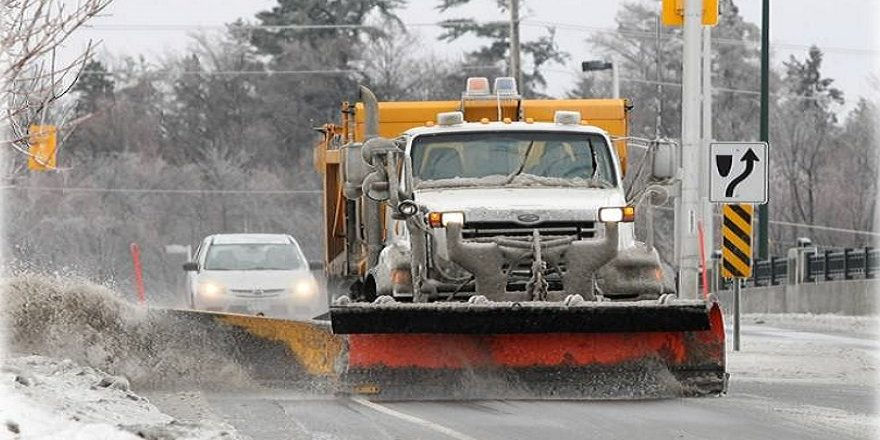
Specialized winter road services play a crucial role in guaranteeing public safety during the frigid months. As snow and ice can create hazardous conditions on roadways, it is vital to have trained professionals who know how to effectively manage these challenges. These services not only focus on snow clearance but also utilize de-icing and anti-icing treatments, which are crucial for ensuring roads safe for travel. The expertise of these professionals in winter maintenance significantly reduces the risk of accidents, allowing motorists to navigate icy surfaces with greater confidence.
Furthermore, consistent winter road maintenance has been shown to decrease the number of accidents that occur during snow and ice events. When roads are appropriately gritted and cleared, visibility and traction improve, leading to better driving conditions. This anticipatory approach not only ensures the safety of the lives of drivers and passengers but also alleviates pressure on emergency services that may otherwise be burdened by weather-related incidents. Local authorities benefit from these services as well, as they enable effective management of severe weather, ensuring that community needs are met quickly.
Another crucial aspect of specialized winter road services is their contribution to the operational continuity of businesses and local economies. By keeping roads open and accessible, these services support the transportation of goods and services, which is essential for commercial properties and logistics hubs. Businesses rely on reliable road access, especially during winter months, and expert services ensure that interruptions are limited. This reliance highlights the value of investing in winter road services, as they not only enhance safety but also promote economic resilience in the face of seasonal challenges.
Guidelines for Efficient Winter Road Maintenance
Successful winter road maintenance begins with preventive planning and preparation. Local authorities and road service providers should establish a detailed winter maintenance plan that includes meteorological monitoring systems to anticipate snow and ice events precisely. By understanding the predictions, teams can strategically allocate resources for efficient gritting and snow clearance, ensuring roads remain safe for travel. Routine training for maintenance crews on best practices and equipment operation is also crucial to enhance their readiness during adverse weather conditions.
Implementing a combination of de-icing and preventive icing treatments is crucial for enhancing road safety. Anti-icing strategies focus on stopping ice from bonding to the pavement, while de-icing methods are used once ice has formed. Informative post of road salt, liquids, and additional materials can be tailored to suit local weather conditions, ensuring optimal performance. Regular assessments of road conditions allow for adjustments in treatment frequency and methods, helping to reduce salt usage and diminish environmental impact without sacrificing safety.
Partnership between local authorities, businesses, and contractors plays a significant role in maintaining effective winter road services. Establishing clear communication channels ensures all stakeholders understand their roles and responsibilities during snow and ice events. Sharing resources and insights can lead to more effective operations, faster response times, and ultimately, safer road conditions. By uniting, communities can enhance their resilience to winter weather challenges, ensuring that roads remain navigable for both residents and emergency services.
Tech Advancements in Cold Weather Highway Maintenance
Improvements in tech have significantly changed the field of winter road services, enhancing safety and efficiency. One of the main innovations is the integration of Global Positioning System tracking systems in snow removal trucks and salt spreaders. This technology allows for real-time tracking of road conditions, enabling drivers to make informed choices about the timing and locations to deploy resources. By optimizing routes and timing, contractors can react quickly to shifting weather patterns, improving overall service delivery.
Another notable development is the use of automatic de-icing technologies that utilize devices to detect ice formation. These technologies can apply de-icing materials exactly in the right places and when needed, reducing waste and lowering ecological consequences. Additionally, climate forecasting tools have become more advanced, providing exact predictions that help seasonal maintenance crews prepare ahead of time. By leveraging data analytics, services can better predict weather conditions and adjust their operations as needed.
Finally, the emergence of drone tech is beginning to have a part in cold weather road services. Drones equipped with thermal imaging and detailed imaging systems can rapidly evaluate the condition of roads, spotting icy spots or sections requiring attention. This aerial perspective allows for faster inspections and more effective resource allocation, helping to keep roads safer during harsh cold weather. With these innovative advancements, winter road services are becoming more forward-thinking, thereby enhancing road security and functional effectiveness.