Reversing the Flow: Creative Strategies for Water Damage Restoration
Water damage can strike at any moment, transforming a cozy home into a stressful crisis. Whether it results from a unexpected pipe burst, a slow leak, or floodwaters surging into your living space, the aftermath of water damage can be devastating. Knowing how to act immediately after water damage occurs is crucial to minimizing its impact and restoring your home to its previous condition. In water damage restoration gilbert az , we will explore creative approaches and practical tips that can help you navigate the complex world of water damage restoration.
From identifying the typical causes of water damage to understanding the critical importance of swift and professional cleanup, this guide aims to equip homeowners with necessary knowledge and resources. We will delve into the indicators that indicate the need for emergency restoration and outline how to prevent subsequent problems, including the growth of mold. Through clear explanations and practical advice, we will empower you to take back control and effectively manage the difficulties posed by water damage in your home.
Immediate Steps Following Water Destruction
After facing water damage in your home, the first step is to focus on safety. Ensure that all electric appliances and outlets in the affected area are unplugged to prevent electrocution. If accumulated water is present, avoid walking through it, as it may contain hidden hazards. If you believe that the water may be polluted, be extra cautious. Always wear protective gear such as hand protection and footwear when dealing with wet areas.
Subsequently, remove as much water as possible. If it is feasible to do so, use a extractor to remove water from floors and surfaces. If the damage is significant, you may need to reach out to a professional restoration service for more effective water extraction. The sooner you begin this process, the lower damage will occur, minimizing the risk of fungus and construction issues later on.
In conclusion, it is crucial to dehydrate the affected areas thoroughly. Open windows and doors to promote airflow and use blowers and moisture removers to speed up the drying process. Removing wet carpets, rugs, and furniture can help reduce moisture levels and prevent additional damage. Document the damage with pictures, as this will be necessary for insurance claims and repair efforts.
Grasping Moisture Damage Restoration
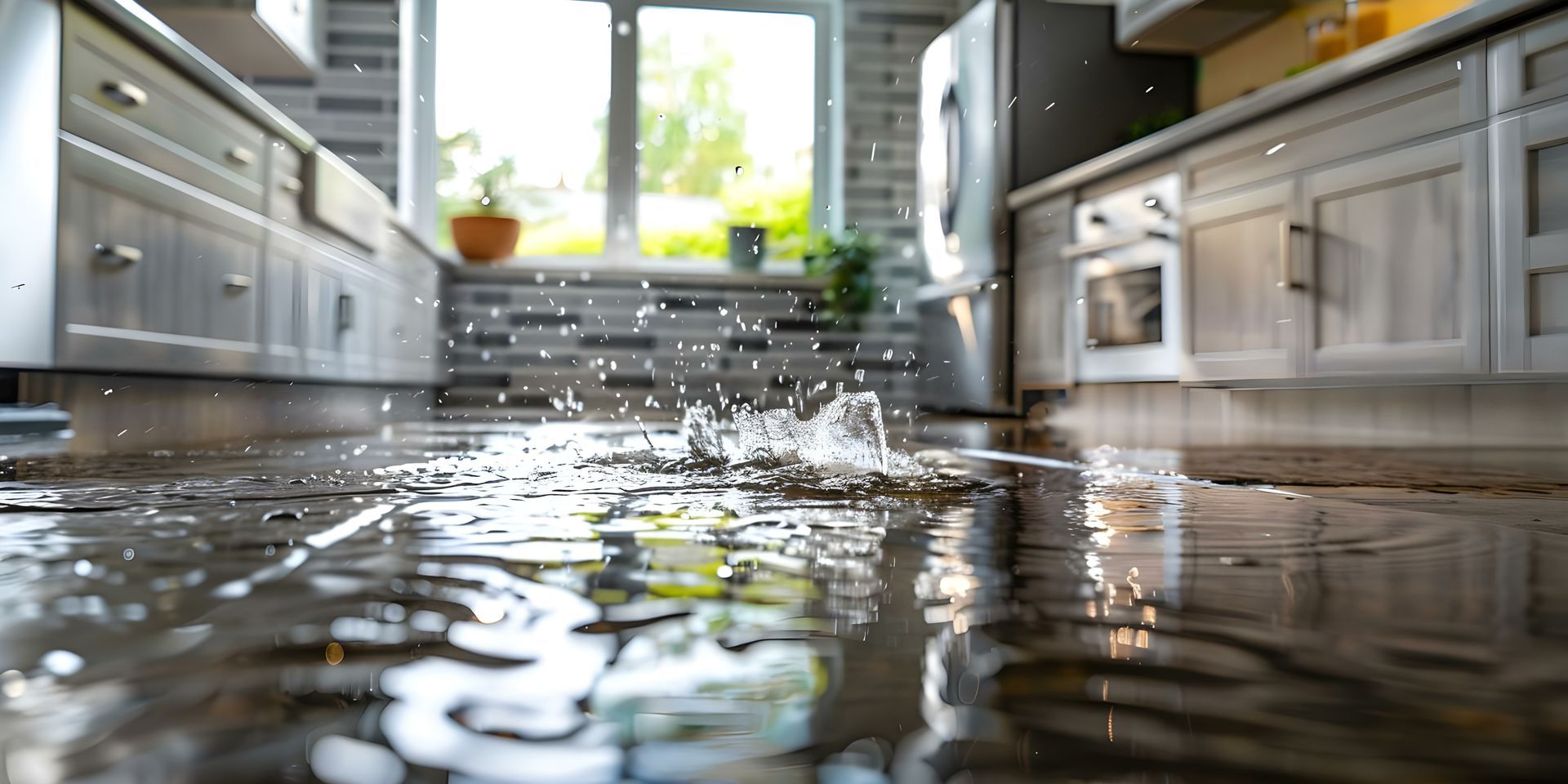
Water damage restoration is a comprehensive process that aims to help property owners recover from the effects of water intrusion. When liquid enters a home due to seepage, overflows, or fractured pipes, it can cause extensive damage to the building and items. The restoration process typically involves several steps, including assessing the damage, getting rid of water, ventilating affected areas, and restoring or replacing damaged materials. Comprehending these steps is vital for homeowners who want to reduce the damage and rehabilitate their property effectively.
One critical aspect of water damage restoration is the swift response to the situation. After experiencing water damage, homeowners must act rapidly to minimize potential harm. This includes adopting distinctive guidelines on what to do right away after water damage, such as disabling utilities, documenting the damage for claims processing, and getting in touch with a professional restoration service. Prompt action not only helps in saving valuable belongings but also minimizes the chances of secondary issues like mold growth caused by lingering moisture.
Furthermore, water damage restoration is not merely about cleaning up; it involves comprehensive inspection and review to discover hidden water damage that may undermine a home's structural integrity. This includes examining walls, ceilings, and flooring for leakage that may not be evident at first sight. Professionals use modern tools and technology to detect dampness and ensure that every affected area is attended to. A all-encompassing approach ensures that the home is not only restored but also protected against future damage, making it essential for homeowners to understand the complex processes involved in successful moisture remediation.
Preventing Future H2O Damage
Avoiding upcoming water destruction starts with regular upkeep and checks of your home’s plumbing system. Property owners need to inspect for drips in pipes, faucets, and toilets, as even minor drips can cause major issues over time. Additionally, examining your roof for missing shingles or leaks can prevent H2O from seeping into your house during heavy rain. Consistently emptying drainage channels and drain pipes is also important, as blocked drainage channels can lead to water to spill over and collect near your base.
Another important step is to guarantee sufficient waterproofing for cellars and crawl spaces. Applying coatings to basement walls and ensuring proper water flow can protect these sensitive areas from H2O intrusion. Furthermore, putting in sump pumps in cellars can serve as a protection against flooding. Using damp-proofing methods and venting devices that produce humidity, such as dryers and steam makers, can significantly lower the moistness levels in your home.
Informing yourself and family members about H2O damage risks is also crucial. Knowing how to react to emergencies, like shutting off the H2O supply during a tube break, can minimize harm substantially. Creating a home maintenance schedule that includes periodic inspections for possible problems can keep your house safe and moisture-free. By implementing these proactive steps, homeowners can greatly lower the chance of experiencing water destruction in the future.