The Function of AI Systems in Smart Cities: A Innovative Evolution
Lately, the adoption of AI agents into different sectors has marked a notable shift in how we view technology and its application in our daily lives. As cities become more intelligent and more integrated, AI agents are emerging as crucial components in changing urban infrastructure, improving services, and improving the quality of life for residents. These self-operating systems are designed to learn, adapt, and process information, making them essential for fostering efficiency and innovation in smart cities.
Understanding the fundamentals of AI agents is vital for grasping their increasing impact on society. They differ from traditional AI chatbots and offer unique functionalities that can revolutionize business operations and customer experiences. From automating mundane tasks to offering insights in the moment, AI agents are altering industries such as health services, finance, and digital commerce. As we examine the role these agents play in modern environments, we will analyze their various applications, advantages, and how they are poised to determine the future of urban living and work.
Grasping AI Agents
Artificial intelligence agents represent computer applications developed to carry out functions on their own by utilizing AI. They can assess datasets, gain insights from experience, determine outcomes, and engage with users or alternative systems. These agents range in difficulty from simple basic logical systems to sophisticated designs using ML and language understanding, allowing them to handle various applications effectively.
The core goal of AI agents is to improve efficiency and output throughout different domains. By automating repetitive activities, they allow for human capital for more critical work. For example, in client support, they can address requests and offer support at all hours, considerably boosting answer speeds and user contentment. As innovation progresses, the capabilities of these agents continue to grow, enabling them to confront more intricate problems.
AI agents are different from conventional automation systems, as they possess the capacity to evolve as well as adapt over time. This trait allows them to improve their output based on user experiences and reactions. Their versatility makes them suitable in numerous sectors, including promotions, commerce, medical care, and finance, where they aid to smarter operations and choices.
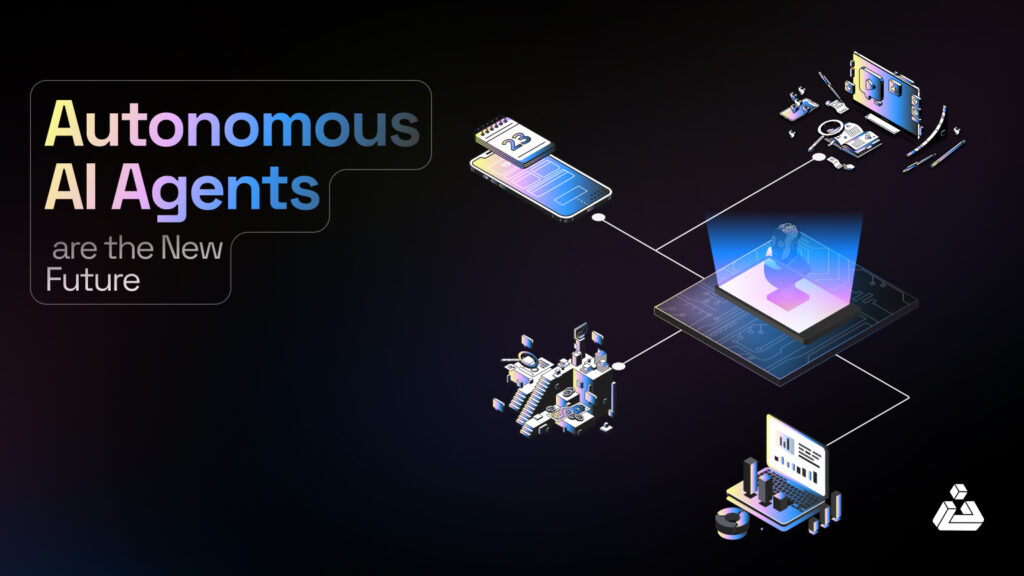
AI Systems in Business Operations
Artificial intelligence agents have emerged as revolutionary tools in business operations, optimizing various processes and improving overall effectiveness. These self-operating systems are designed to perform tasks that traditionally required human involvement, thus allowing organizations to shift their resources toward more strategic initiatives. By automating routine activities such as data processing, scheduling, and consumer support, these systems enable employees to focus on higher-value activities, ultimately increasing productivity throughout the organization.
One key advantage of implementing AI agents is their ability to analyze vast amounts of information rapidly and accurately, facilitating informed decision-making. Businesses can utilize artificial intelligence-driven insights to refine their operations, improve customer service, and customize offerings to meet client needs. This functionality is particularly advantageous in sectors like online retail, banking, and healthcare, where prompt and evidence-based actions can lead to major competitive advantages. AI agents can also enhance collaboration among teams by offering real-time information and streamlining communication.
Moreover, the utilization of these systems into corporate functioning allows for expansion. As companies grow, these agents can adjust to growing workloads without the need for commensurate investment in human resources. This adaptability ensures that businesses can maintain high-quality service even during times of rapid growth. Additionally, AI agents contribute to financial efficiency by reducing operational inefficiencies and minimizing variability associated with human involvement. As Nenos Software continue to embrace AI technology, the effect of these systems on business operations is poised to become even more significant in the coming years.
The Future of AI Agents
The outlook of AI agents is poised to be revolutionary across multiple industries, with improvements in technology enabling significantly enhanced capabilities. As these agents become more sophisticated, they will embed deeper into routine business operations, facilitating not only productivity but also creativity. With the rise of machine learning and natural language processing, AI agents are set to evolve, becoming more intuitive and responsive to the needs of users, thus enhancing their efficiency in tasks such as customer service, project management, and analytics.
In the workplace, AI agents will play a critical role in automating repetitive tasks, allowing employees to focus on strategic initiatives. This shift will be crucial in preserving competitive edges as businesses work to improve productivity and reduce operational costs. Additionally, the cooperation between AI agents will become more prevalent, leading to multi-agent systems that can address challenging problems more effectively than their individual counterparts. Such developments will foster a flexible work environment where human and machine intelligence can coalesce seamlessly.
Looking ahead, the adoption of AI agents will also raise important discussions around moral considerations, security, and oversight. As these agents become widespread, ensuring that they function within safe boundaries and respect user confidentiality will be imperative. The future of AI agents will not only focus on technological prowess but also on creating trust and ensuring that the benefits of AI are distributed equitably. As businesses and communities adopt this shift, the role of AI agents will certainly become central in shaping a smarter, more efficient world.