Waste Champions: Success Stories of Efficient Management Techniques
In the current landscape, efficient waste management has become increasingly important. As we navigate the challenges of city expansion, population growth, and global warming, the results of ineffective waste management are obvious. Both companies and individuals are recognizing the necessity of adopting sustainable practices that not only reduce waste but also enhance the ecosystem and public health. From the basic practice of recycling to developing detailed waste management strategies, each step taken can contribute to a sustainable environment.
In this piece, we will explore motivating examples that feature creative waste solutions from different industries. Whether you're an entrepreneur searching for a comprehensive resource on waste management or an average citizen interested in discovering How to Reduce Waste at Home and Save Money, there are valuable lessons to be gained from those who have moved forward in their waste management journeys. Get prepared to reveal ten practical ways to enhance your waste handling techniques and discover the role that effective waste management plays in supporting a circular economy and combating environmental challenges.
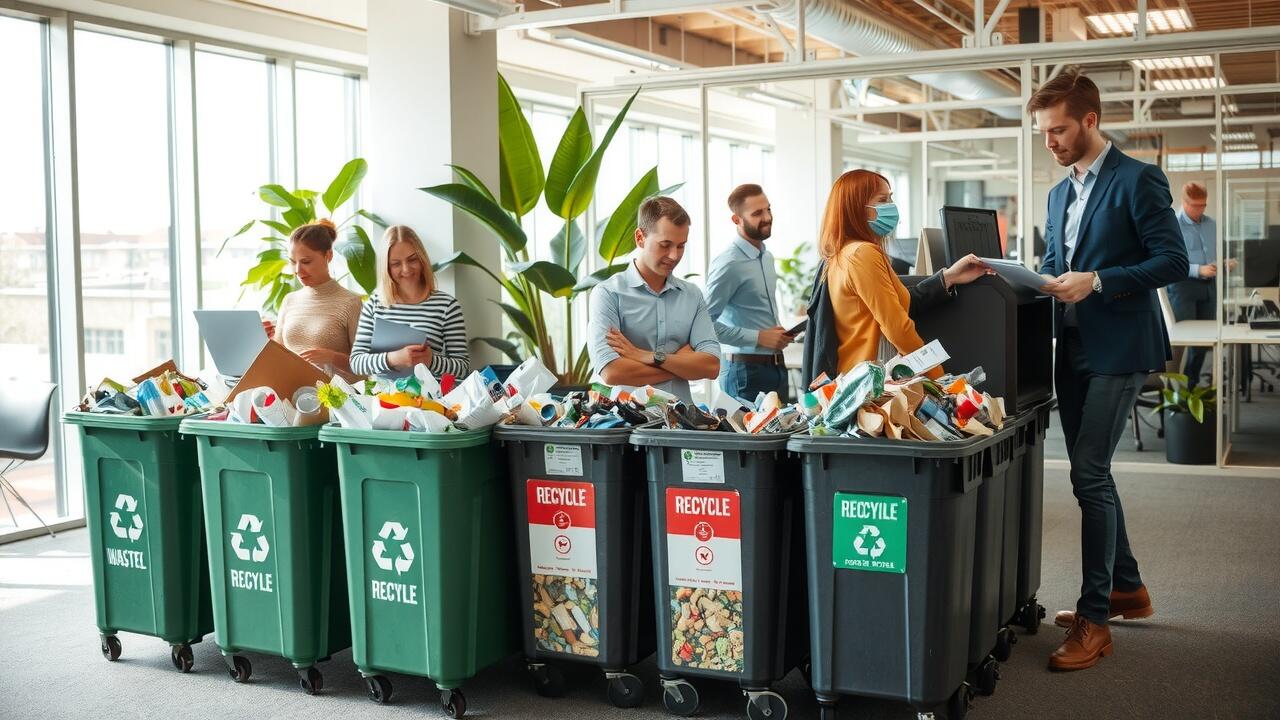
The Significance of Efficient Waste Management
Efficient waste management plays a vital role for ensuring a neat and healthy environment. It involves the gathering, movement, processing, reusing, or management of waste materials in a manner that limits their influence on people's well-being and the surroundings. When waste is poorly handled, it results in contamination, the spread of diseases, and ecological degradation. Firms and people alike play a significant role in waste management practices, which can influence the collective well-being of life in communities.
Additionally, effective waste management has considerable economic benefits. Organizations that introduce sustainable waste disposal methods can lower costs associated with waste collection and disposal. By implementing waste cutbacks and recycling, companies can often convert waste materials into valuable resources, ultimately leading to financial savings and increased profitability. This productivity not only supports the bottom line but also improves a company's reputation as a responsible corporate citizen, matching with consumer preferences for sustainable practices.
In conclusion, efficient waste management is intimately connected to public health. Poor waste disposal methods can create dangerous situations, including tainted water supplies and air pollution. The management of toxic waste, in particular, needs to be managed with attention to reduce injury and eco-harm. By focusing on proper waste management, communities can protect public health, foster environmental sustainability, and contribute to a more sustainable economy, where waste is limited and materials are utilized for as long as possible.
Novel Practices for Trash Minimization
The implementation of innovative strategies in waste management is vital for achieving meaningful trash minimization. One effective approach is the adoption of digital waste monitoring solutions. These technologies enable businesses to monitor their waste output patterns, identifying trends and areas for improvement. By utilizing applications and tools, businesses can make knowledgeable judgments about trash separation and reduction, ensuring that resources are repurposed or recycled rather than going in waste facilities. This not only enhances operational productivity but also enhances a business’s green standing.
Another favorable method is the adoption of eco-friendly packaging methods solutions. Organizations are increasingly shifting towards environmentally-friendly substances and refillable containers options, which significantly minimize the volume of garbage produced. By rethinking their logistics and exploring alternative wrapping options, organizations can minimize their ecological effect. Furthermore, adopting green substances is also helpful for the ecosystem but can also attract to ecologically conscious customers, improving company affinity and business competitiveness.
In addition to these approaches, promoting a culture of zero waste within businesses is essential. This involves training staff about the importance of waste minimization and promoting activities such as composting and correct waste sorting. Motivating workers through training sessions and creating incentives for eco-friendly projects can foster a team-oriented environment aimed at lowering garbage. Companies that embrace this approach not only add to ecological well-being but also frequently experience reduced expenses and improved effectiveness in their operations.
Building a Green Future Via Waste Disposal
Efficient refuse handling strategies are vital for creating a green future. By systematically managing garbage production and management, businesses can substantially reduce their planetary effects. This not only contributes to the decrease of pollution but also acts a key role in preserving environmental resources. When businesses emphasize sustainable garbage handling, they position themselves as front-runners in their sector, exhibiting a commitment to ecological accountability that appeals with clients and stakeholders alike.
Advanced methods and intelligent strategies are transforming the landscape of refuse handling. The growth of digital tools and automation enables for increased effective monitoring, categorizing, and repurposing of resources. This digital shift also enhances the ability to carry out refuse audits, making it more manageable for businesses to spot aspects for optimization. As businesses integrate these advancements, they not only enhance operational efficiency but also support to a sustainable economy where garbage is limited and materials are constantly reused.
Community involvement is a crucial element of eco-friendly waste handling. Informing Wealth Management Bodmin Cornwall about waste segregation, repurposing, and soil enrichment empowers citizens to make educated decisions that positively impact the ecosystem. By fostering a atmosphere of green practices within neighborhood societies, companies can help build a joint effort towards waste minimization. This cooperation not only boosts well-being but also paves the path for future people to live in a greener and more sustainable environment.