Waste Less, Need Not: The Outlook of Eco-friendly Waste Management
In a society where green challenges are increasingly urgent than ever, effective waste management has become a crucial concern for individuals, companies, and neighborhoods alike. The time-honored adage “waste nothing, want for nothing” holds true today as we confront the results of poor waste practices. From overflowing landfills to contamination that harms our air and water supply, the impact of improperly handled waste is plain and widespread. As we gaze into the coming days, eco-friendly waste management solutions are no longer optional; they are a must-have for our environmental health and our well-being.
Grasping modern waste management solutions is crucial for all individuals, whether you're a resident looking to reduce waste or a firm aiming to establish sustainable practices. This article aims to provide a thorough guide, exploring the importance of efficient waste management and offering realistic tips for betterment. We'll cover topics such as repurposing, organic waste recycling, and the significance of innovation in changing how we handle waste. Regardless of whether you're just beginning in waste management or looking to improve your current practices, there is something here for everyone. Together, we can all take part in creating a more pristine, sustainable future.
Understanding Waste Management Issues
Garbage management faces a myriad of challenges that affect its effectiveness and performance across multiple sectors. One important challenge is the rising quantity of waste created as populations increase and consumption increases. City growth and manufacturing activities lead to a surge in waste, necessitating for local governments and businesses to adapt their plans to manage this influx. Without Continue reading and infrastructure, the likelihood of waste sites exceeding capacity and illegal dumping practices grows, causing environmental degradation.
A further, challenge lies in the diversity of types of waste and the approaches required for their treatment. Different materials, such as plastics, metal substances, and organic matter, call for particular handling processes. The deficiency of awareness about correct waste segregation further hinders management efforts, as foreign materials can compromise the recycling process and reduce the efficiency of material recovery. Dealing with this problem not only demands awareness campaigns for the general population but also new approaches that simplify waste recycling and separation at the origin.
Ultimately, adherence to laws presents its own set of difficulties. Wealth Management Padstow Cornwall is regulated by a array of local, state, and federal laws that can differ significantly, creating complexity for companies and waste disposal services. Maintaining awareness with these rules and ensuring conformity can be costly. Additionally, the enforcement of laws can be variable, resulting in discrepancies of waste disposal methods across locations, which impacts overall sustainability objectives.
Innovative Strategies for Efficient Waste Management
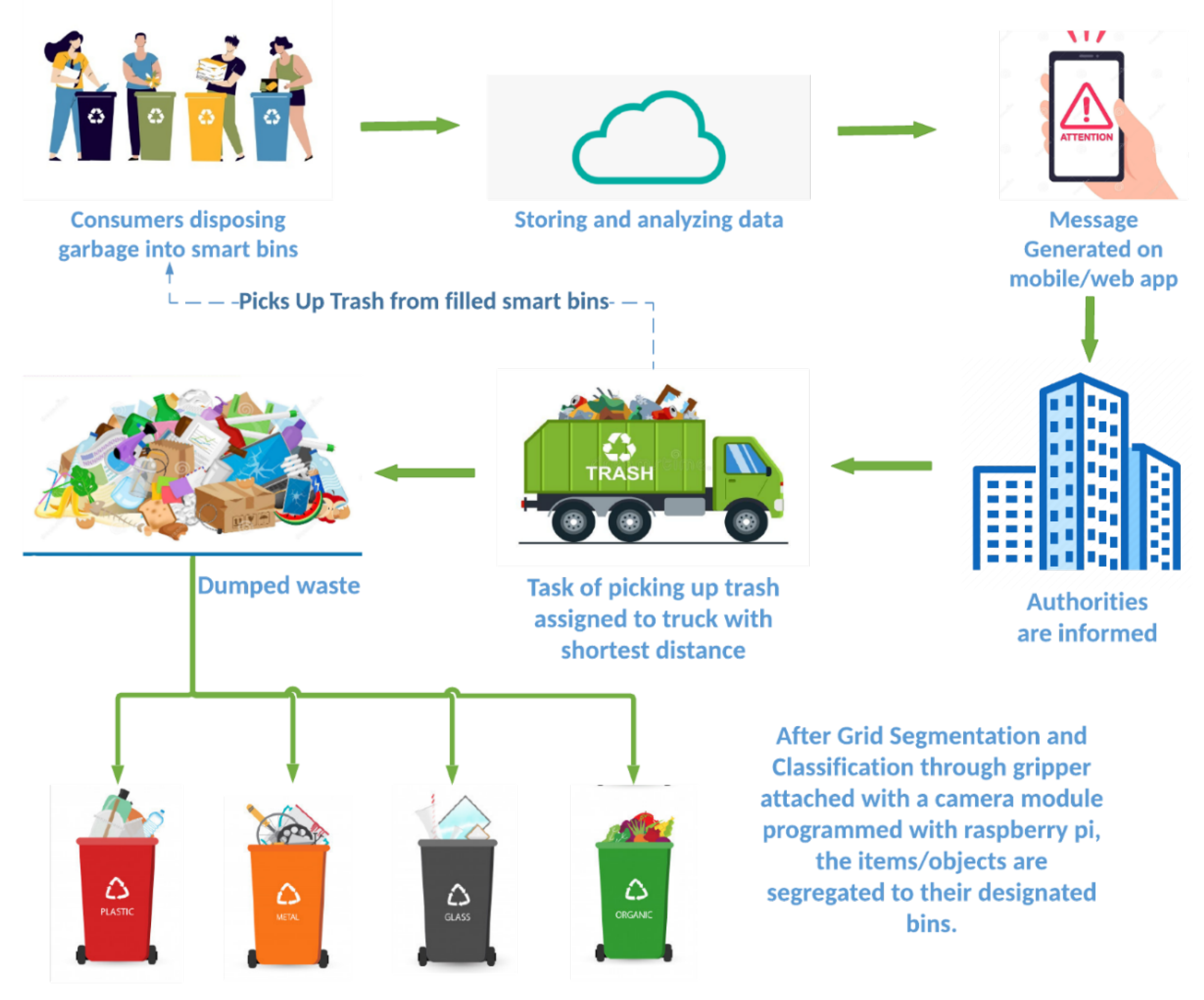
As sectors and neighborhoods strive for sustainability, new strategies in waste management are becoming essential. Digital innovations plays a significant role in transforming the way waste is handled, from intelligent bins equipped with sensors to observe waste levels to applications that help residents navigate their recycling options. Machine learning and data analytics can optimize waste removal routes, cutting costs and carbon emissions while improving effectiveness. These advancements not only enhance operational performance but also foster greater public awareness about waste management practices.
Another important aspect of efficient waste management is the implementation of recycling and organic waste management initiatives. Many municipalities are now adopting programs that encourage local residents to separate their waste into compostable, recyclable, and general waste categories. Informational campaigns and local workshops can empower individuals to comprehend what can and must not be recycled, ultimately lowering contamination in recycling streams. Additionally, food waste composting programs can significantly diminish landfill contributions while providing useful organic material for local farms and agricultural projects.
Finally, cooperation among industries, local governments, and charitable organizations is essential for creating a comprehensive waste management strategy. By collaborating on resources, expertise, and best practices, these groups can develop a more unified approach that promotes waste reduction, recycling, and proper disposal methods. Workshops and partnerships can cultivate innovation, allowing for the exploration of sustainable packaging solutions and zero waste initiatives. Through cooperative action, communities can build robust waste management systems that contribute to a healthier environment and a more renewable future.
Establishing a Sustainable Future
As the worldwide population continues to expand, the importance for efficient waste management becomes increasingly paramount. Implementing sustainable waste management methods not only lowers the volume of waste delivered to landfills but also lessens the ecological impact associated with waste disposal. This transition towards sustainability is fundamental for preserving natural resources, protecting ecosystems, and fighting climate change. By incorporating waste management into broader sustainability initiatives, businesses and communities can create a more robust and environmentally friendly future.
One crucial element in building a sustainable future is the establishment of circular economy practices. This method emphasizes the value of utilizing again materials, recycling, and minimizing waste at every stage of production and consumption. By fostering a circular economy, organizations can substantially lower their carbon footprints while promoting responsible consumption and production patterns. Efficient waste management techniques, such as waste segregation and composting, play a key role in achieving these targets, providing businesses with a competitive advantage while appealing to environmentally conscious consumers.
In addition, technological advancements are opening the way for innovative waste management solutions that can revolutionize the industry. Smart waste management systems enable better management and sorting of waste, improving the efficiency of recycling processes. With the rise of smart platforms and data analytics, businesses can carry out waste audits and formulate targeted waste reduction plans. By utilizing technology, companies can not only enhance their operational efficiency but also aid a healthier planet, ultimately securing a sustainable future for generations to witness.