Professional Winter Driving Assistance: The Key to Secure Travels
As winter approaches, the significance of ensuring safe and accessible roads cannot be overstated. With icy conditions and snowfall presenting significant hazards, expert winter road services are seen as a vital element of ensuring public safety and smooth transportation. Such services include a variety of critical tasks, such as snow clearance, road gritting, and the implementation of de-icing treatments, specifically designed to reduce accidents and enhance mobility when faced with winter challenges.
Grasping why professional winter road services matter is crucial for local authorities, businesses, and individuals alike. The services provided not just facilitate secure transit for vehicles but also add to the overall efficiency of operations for commercial properties and logistics hubs. By employing industry best practices and innovative technologies, winter road maintenance professionals play a pivotal role in avoiding dangerous road conditions, reducing liability risks, and ensuring that emergency services can access critical areas when needed. As we explore the full overview to these essential services, we will reveal how they act as the cornerstone to protected routes throughout the winter months.
Significance of Expert Seasonal Street Services
Qualified seasonal road services play a vital role in ensuring public safety during the frigid months. As precipitation and slick conditions create hazardous driving conditions, these assistance are necessary for maintaining safe thoroughfares. With special equipment and skilled personnel, they carry out timely snow clearance and highway gritting, significantly diminishing the likelihood of incidents. When routes are adequately maintained, the overall security of the community is boosted, shielding both drivers and bystanders alike.
In addition to improving safety, effective seasonal street maintenance plays a role to monetary stability. Firms rely on accessible roads for transportation and operations, especially during winter conditions. By investing in expert cold weather street assistance, local authorities and companies can make certain that essential travel paths are kept open, minimizing delays. This proactive approach helps maintain local economies, allowing for more efficient transportation of goods and services even in difficult weather conditions.
Furthermore, expert seasonal street services are key in managing extreme weather events. With improvements in technology and weather monitoring, these support can implement strategies that preemptively handle potential hazards. For instance, recognizing the difference between de-icing and anti-icing treatments allows for greater effective responses to icy conditions. As climate patterns become increasingly unpredictable, the value of having trained winter maintenance experts cannot be ignored—they guarantee that neighborhoods are equipped to face winter’s challenges head-on.
Optimal Approaches for Winter Highway Care
Efficient winter road maintenance begins with preventive planning and prompt execution of operations. One of the best practices is to formulate a comprehensive winter maintenance plan that includes clear strategies for snow removal and de-icing. This plan should define priority roads, distribute resources effectively, and set clear deadlines for each procedure. By emphasizing busy roads and emergency routes, road service providers can make sure that essential areas remain safe and accessible during harsh weather conditions.
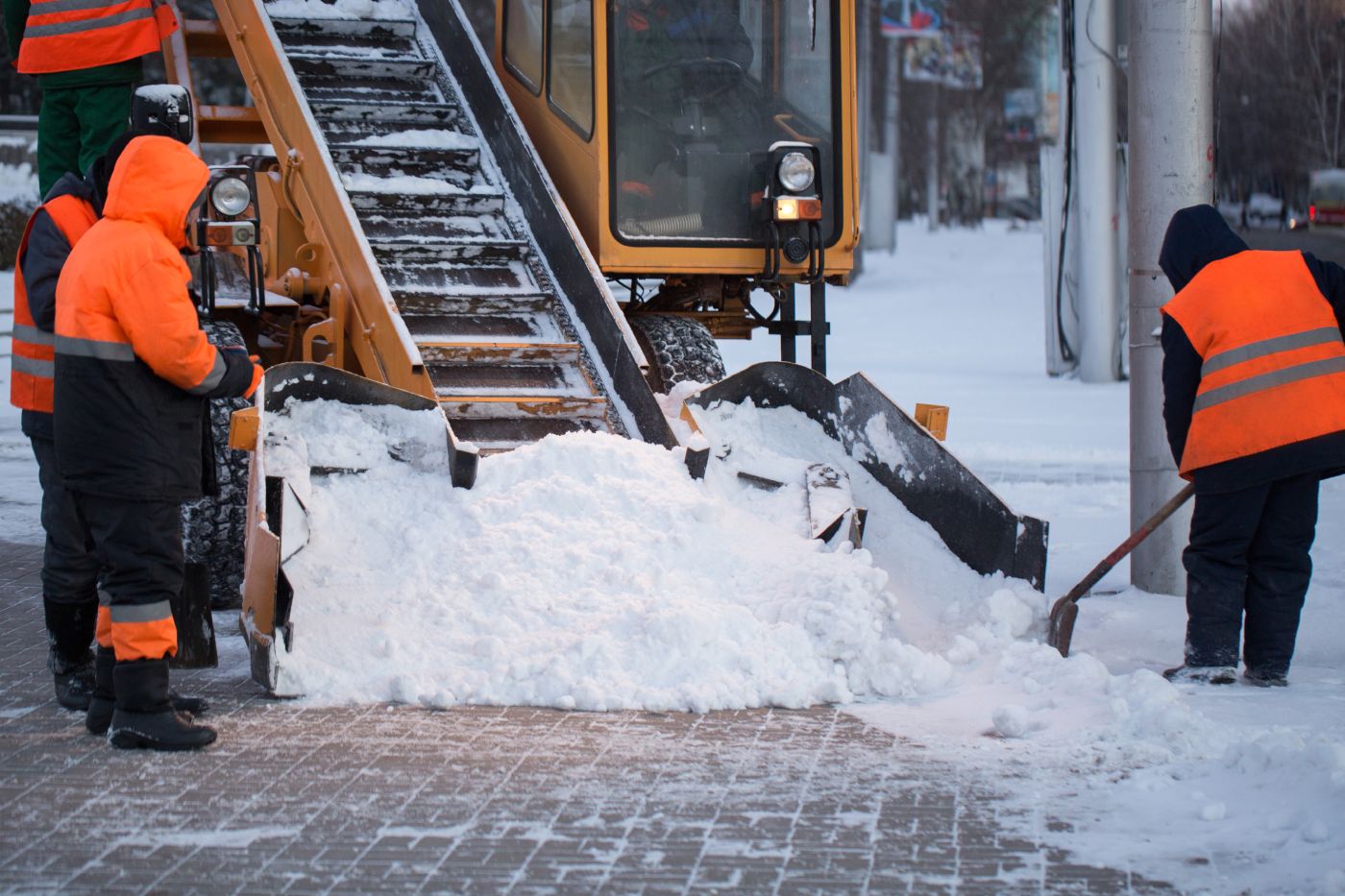
Monitoring weather patterns is essential for adjusting maintenance strategies. Utilizing real-time weather data allows road service teams to anticipate snow and ice events and allocate resources accordingly. This forward-thinking approach reduces action times and increases the effectiveness of treatments such as salting and snow clearance. Frequent assessments of road conditions also help in deciding the best use of anti-icing or de-icing agents based on up-to-date weather forecasts.
Collaboration between local authorities and professional winter road service providers promotes a more coherent and streamlined response to winter weather challenges. Continual training and communication between teams can improve overall performance and verify that everyone is equipped with the latest techniques and equipment. Moreover, Road Sweeping Belfast on the role of winter road services can encourage better driving habits, contributing to overall community safety during the winter months.
Advantages of Outsourcing Winter Road Services
Contracting seasonal road services delivers significant operational advantages for both authorities and businesses. By engaging professional winter service providers, entities can tap into specialized skills and equipment that might not be easily accessible in-house. This means that skilled teams can focus on effective snow and ice removal, making certain that roads and parking areas are safe for everyone without diverting resources allocated to other essential functions.
Another major benefit is financial savings. Maintaining an in-house winter maintenance team demands substantial investment in machinery, training, and continuous operational costs. By contracting, organizations can optimize their budgets by paying only for the services they need during the cold season. This adaptability also enables modifying services up or down in accordance with changing weather conditions, guaranteeing resources are managed effectively without jeopardizing safety.
Finally, outsourcing seasonal road services enhances responsiveness and coverage during severe weather events. Professional vendors often operate 24/7 and are equipped with the latest technologies for monitoring conditions and rapid deployment. This means that roads can be maintained proactively, minimizing the risk of accidents and ensuring the continued operation of essential services, such as emergency response vehicles. In an volatile winter climate, securing a dependable partner for winter road maintenance is essential for maintaining public safety and efficient transportation logistics.